Building a Smarter Heating and Air Plan for Homes and Small Shops
Start by mapping your space’s thermal profile before any purchase or upgrade. Assess room sizes, insulation levels, sun exposure, and internal heat gains from people and equipment. This baseline helps right-size equipment and prevents short cycling or sluggish recovery. Document windows, door seals, and duct paths, and verify that electrical capacity and panel locations can support the chosen solution without surprise rewiring or nuisance breaker trips.
Beyond that, think through how daily routines overlap with comfort zones. Scope which rooms need priority conditioning and which can ride slightly wider temperature bands. Mini Split Installation can give targeted control to office nooks or workshops without overhauling ductwork. Meanwhile, central systems still shine where even distribution and filtration matter most. Balance zoning ambitions with maintenance realities so filters, coils, and condensate lines remain accessible.
Meanwhile, ventilation and indoor air quality deserve equal billing with temperature. Inspect return paths, undercut doors, and grille placement so airflow is smooth and quiet. Validate that filter racks seal well to avoid bypass. If odors or humidity persist, then consider dedicated ventilation or dehumidification integrated with existing trunks. Calibrate humidistats seasonally, and verify condensate drains have proper slope and cleanouts to dodge mid-summer backups.
However, equipment selection should reflect both climate and building envelope. Heating Installation and Repair plans change when winter design temperatures swing low, where two-stage furnaces or cold-climate heat pumps improve comfort. In milder areas, a high-SEER heat pump may carry nearly all loads. Sequence decisions by first tightening the shell—air sealing and insulation—so you can downsize capacity and reduce cycling, improving efficiency and acoustics.
Often, water heating gets overlooked in the larger plan. Water Heater Installation intersects with electrical or gas availability, venting runs, and recovery expectations. Assess fixture distance to minimize wait times and heat loss through long lines. In practice, recirculation strategies and pipe insulation can refine comfort without oversized tanks. Validate pressure and temperature relief routing, and document shutoff valve locations for quick service later.
Then, think lifecycle, not just nameplate ratings. AC Installation and Repair approaches that emphasize service clearances, filter access, and drain pans save frustration years later. Stage outdoor units on stable pads with vibration isolation and proper setbacks for air movement. Buffer delicate coils from landscaping debris, and plan conduit and line set routes that allow future replacement without tearing apart finished walls or ceilings.
Next, weigh alternative technologies against site conditions and goals. Geothermal Installation can deliver steady performance where land area, drilling access, and soil conditions align. Validate loop options and trenching logistics early, and align expectations about ground disturbance and restoration. If space is tight, consider high-efficiency air-source equipment with variable capacity, but still verify structural support for wall or roof mounts and condensate management details.
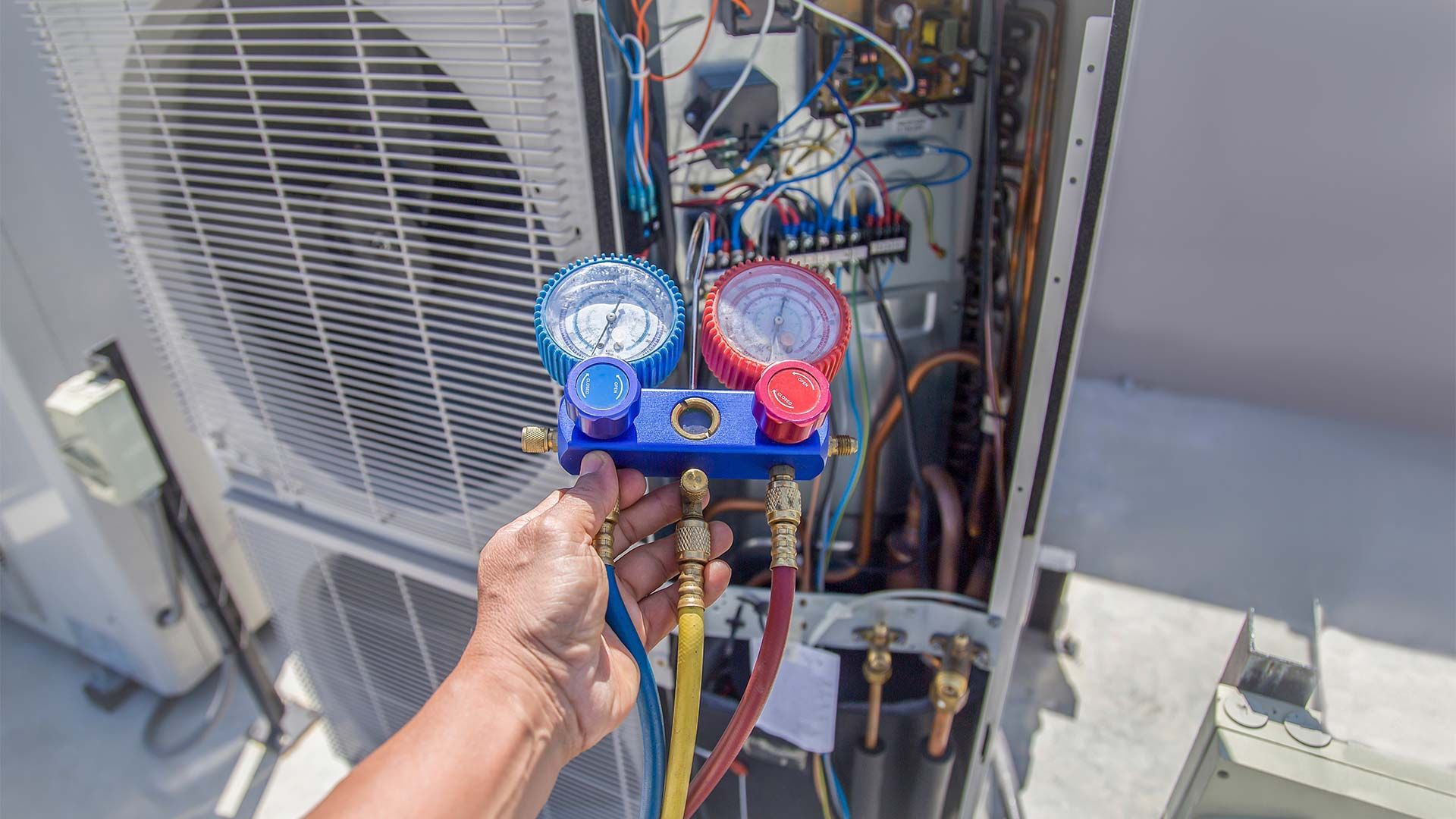
After installation, commissioning is where systems earn their keep. Inspect refrigerant charge, airflow, static pressure, and safety controls, and document baseline readings. Calibrate thermostats and zone dampers, and verify defrost and crankcase heat strategies on heat pumps. Finally, walk through filter sizes, breaker labels, and shutoffs with anyone who may need to act quickly during a storm or outage, reducing downtime and guesswork.
Beyond installation, a simple maintenance calendar keeps performance steady. Maintain filters, clean outdoor coils, clear condensate traps, and check anode rods on tanks at reasonable intervals. Refine setpoints seasonally and log energy use so anomalies stand out. Validate warranty requirements tied to routine service, and keep a folder of manuals, model numbers, and parts lists handy to speed up repairs and minimize mismatched components.
Ultimately, budgeting should include more than equipment. Scope electrical upgrades, duct sealing, permits, and possible patch-and-paint after access work. Sequence trades to avoid rework—drywallers after pressure tests, painters after condensate routing, landscapers after line sets are buried. When these pieces align, your HVAC plan runs quieter, lasts longer, and adapts gracefully as seasons, occupancy, and technology change.